

How to Store Olive Oil Properly to Keep It Fresh
Last Updated: November 14, 2026
Quick Summary
To store olive oil properly, keep it in a cool, dark cupboard away from the stove, sunlight, and heat, in a sealed container. Light, heat, and oxygen are the main causes of spoilage, so limiting all three keeps the oil fresh longer.
- Keep oil in a cool, dark cupboard, ideally around 60 to 70 degrees Fahrenheit.
- Avoid clear bottles on open counters and spots beside the stove or oven.
- Dark glass, ceramic, and stainless steel protect oil from light better than clear glass.
- Recap the bottle tightly after every pour to limit oxygen exposure.
- Check the harvest date, since the best-before date does not reflect peak flavor.
Table of Contents
- Why Olive Oil Goes Bad: Light, Heat, and Oxygen
- Choose the Right Cool, Dark Spot in Your Kitchen
- Pick the Best Container to Store Olive Oil
- How to Store Olive Oil After Opening
- Storing Olive Oil in the Fridge: When It Helps and When It Hurts
- Olive Oil Shelf Life After Opening and How to Tell When It Has Turned
- Pick Up Sevillano, Ambrosia, or California Mission and Start Storing It Right
- Frequently Asked Questions
Why Olive Oil Goes Bad: Light, Heat, and Oxygen
Olive oil does not stay fresh forever, and the fastest way to ruin it is to leave it exposed to light, heat, and air. These oils are most at risk from the same three enemies.
Oxidation is the core problem. When oxygen reaches the oil, it slowly breaks down the fats and produces off-flavors that taste stale, flat, or like crayons. Light and heat speed up this process dramatically.
Here is what each factor does:
- Light breaks down the oil's natural compounds, especially from direct sunlight through clear glass
- Heat speeds up oxidation, so warm spots in the kitchen shorten shelf life
- Oxygen reacts with the oil every time the bottle is opened or left partly empty
Watch out: Keeping a bottle beside the stove feels convenient, but the steady heat quietly ruins it within weeks.
Choose the Right Cool, Dark Spot in Your Kitchen
The best spot for olive oil is cool, dark, and steady. A kitchen cupboard or pantry shelf usually works well, because it stays out of direct sunlight and away from heat sources.
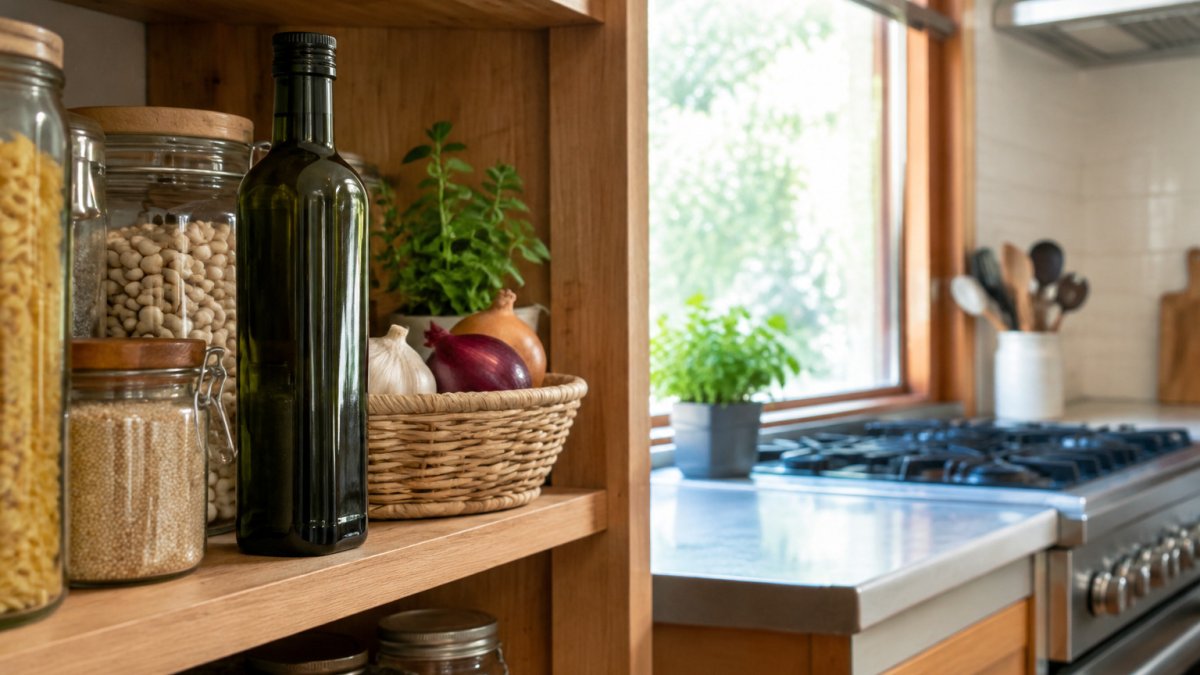
Follow these steps to find the right place:
- Skip the counter. Bottles on open counters catch daylight and cooking heat.
- Move away from the stove and oven. Even a few feet away makes a difference.
- Check the temperature. Aim for a spot that stays around 60 to 70 degrees Fahrenheit.
- Pick a cupboard away from the dishwasher. Steam and warmth add up over time.
Many home cooks find a lower cabinet works best, since it stays cooler and darker than an upper shelf.
Pick the Best Container to Store Olive Oil
The container you choose matters almost as much as where you put it. Dark glass, ceramic, and stainless steel all protect olive oil from light. Clear glass bottles look attractive but let in too much light, so keep them stored in a cupboard if you use them.
Here is how common options compare:
| Container | Light Protection | Best For |
|---|---|---|
| Dark green or amber glass | Strong | Everyday storage |
| Ceramic cruet | Strong | Countertop display for short periods |
| Stainless steel | Strong | Larger quantities |
| Clear glass | Weak | Only when stored in the dark |
Always make sure the lid or cap seals tightly. A loose cap lets in more air and speeds up spoilage.
How to Store Olive Oil After Opening
Opening a bottle is the moment freshness starts to decline. Every pour lets in a small amount of oxygen, and each time the cap comes off, the oil is briefly exposed to air and light. The goal after opening is not to stop that process, it cannot be stopped, but to slow it down and to use the oil while its flavors are still intact.
Opened vs. unopened: two different storage jobs
Unopened bottles are protected by the seal and by the headspace gas the producer trapped inside. Store them in a cool, dark cupboard, keep them away from the stove and windowsill, and they will hold quality far longer than an opened bottle.
Treat the harvest date, not just the best-before date, as your quality signal. Best-before dates on olive oil are typically set with a generous margin and speak to food safety more than peak flavor. An oil can be perfectly safe to eat and still taste flat.
A practical after-opening routine
- Recap immediately after every pour. Do not leave the bottle open while you finish cooking; the exposure adds up.
- Wipe the spout and rim with a clean cloth so dried oil does not build up, seal the cap shut, or flake into the bottle.
- Return the bottle to its cool, dark spot right away rather than leaving it on the counter beside the pan.
- Keep the fill level as high as practical. A half-empty bottle has more headspace and more oxygen in contact with the oil. If you buy large bottles, consider decanting a few weeks' worth into a smaller bottle and keeping the rest sealed.
- Use it within a few months for the flavors you paid for, and finish the bottle before opening the next one.
Watch out: Buying a large bottle that takes a long time to finish means the oil may sit open for too long. Match the bottle size to your actual pace.
Dispensers, pour spouts, and decanting hygiene
Cruets and pour spouts are convenient, but they are also the most exposed part of your storage setup. A countertop cruet sits in light and warmth, its spout is open to air between pours, and residue on the spout and inside the neck can turn rancid and taint the fresh oil you add later.
- Clean cruets and spouts regularly, every few weeks for a frequently used cruet, and immediately if you notice a sticky film or a stale smell at the neck.
- Wash with hot soapy water, rinse well, and dry completely before refilling. Trapped water invites spoilage.
- Refill rather than top off indefinitely. Periodically empty, clean, and refill the cruet instead of pouring fresh oil onto old residue.
- Choose a spout you can actually clean. If a spout has crevices you cannot reach, a simple cap that wipes clean is the better choice.
- Keep the cruet small. A cruet that holds a week or two of oil stays fresher than one that holds a month's supply.
If you decant from a large bottle into a smaller one, use a clean, dry funnel, fill the smaller bottle nearly to the top to limit headspace, and keep the large bottle sealed in the dark between refills.
Storing Olive Oil in the Fridge: When It Helps and When It Hurts
Refrigeration is the question home cooks ask most often, and the honest answer is that it depends on how fast you use the oil. Cold temperatures slow oxidation, which is good, but they also change the oil's texture and can introduce moisture problems if you handle the bottle carelessly.
What cold does to olive oil
Refrigerated olive oil can turn cloudy or thick, and this change is reversible. Letting the oil return to room temperature will restore its normal texture.
When refrigeration helps
- You use oil slowly. If a bottle takes more than a few months to finish, the fridge slows oxidation enough to be worth the inconvenience.
- Your kitchen runs warm. In a home where the pantry regularly climbs above the mid-70s Fahrenheit, the fridge may be the coolest stable spot available.
- You are storing a specialty oil for drizzling. A delicate finishing oil you use sparingly can benefit from cold storage between uses.
When refrigeration hurts
- You use oil daily. The repeated warm-up and cool-down cycle is inconvenient, and moving the bottle in and out invites condensation.
- You store it in an open or loosely capped container. Moisture is the real risk. Condensation can form on the inside of the bottle, and water in contact with oil invites spoilage and off-flavors.
- You keep it in the door. The refrigerator door is the warmest, most temperature-variable spot in the fridge, and the bottle gets jostled every time the door opens.
Watch out: If you do refrigerate, use a tightly sealed container and let the oil come to room temperature before you taste or drizzle it.
Freezing: rarely worth it
Freezing olive oil is possible but generally not recommended for everyday use. The oil solidifies, and repeated thawing and refreezing cycles can degrade quality. If you must freeze a portion, for example, to hold a large quantity you cannot use in time, freeze it in a small, tightly sealed container, leave minimal headspace, and thaw it once in the refrigerator before use. Do not refreeze the same oil.
The practical rule
For most households, a cool, dark cupboard is the better default: it keeps the oil pourable, avoids condensation, and is convenient enough that you will actually recap the bottle. Reserve the refrigerator for slow-to-finish bottles or warm kitchens, and treat the freezer as a last resort rather than a routine storage spot.
Olive Oil Shelf Life After Opening and How to Tell When It Has Turned
Opened olive oil is best used within a reasonable window when stored properly, and unopened oil generally lasts longer.
Watch for these signs that olive oil has turned:
- A waxy, crayon-like, or metallic smell
- Flat taste with no fresh, grassy notes
- A harsh, stale flavor on the back of the throat
- Sediment or unusual cloudiness that was not there before
If you notice any of these, the oil has likely degraded. It is still safe in most cases, but it will not add the flavor you paid for, so use it for cooking rather than drizzling.
Do's and Don'ts
- Do store oil in a cool, dark cupboard
- Do buy sizes you can finish within a few months
- Do recap tightly after every use
- Don't store oil beside the stove or in sunny windows
- Don't keep oil in clear bottles on open shelves
- Don't assume a bottle is fresh just because it is sealed
Pick Up Sevillano, Ambrosia, or California Mission and Start Storing It Right
Now that you know how to protect olive oil, the next step is choosing a bottle worth protecting. The Oil & Vinegar Bar offers three extra virgin olive oils that suit different tastes. Sevillano Extra Virgin Olive Oil is smooth and full-flavored, with hints of artichokes and fresh herbs, which makes it a versatile pick for bread dipping and salads. For a bolder, unfiltered option, Ambrosia Extra Virgin Olive Oil offers a green, peppery finish that shines when drizzled over finished dishes. If you prefer something mild and buttery, California Mission Winter Harvest Extra Virgin Olive Oil has a velvety texture that works well for everyday cooking.
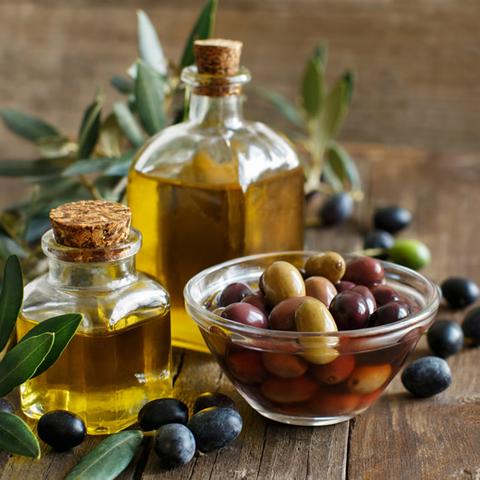
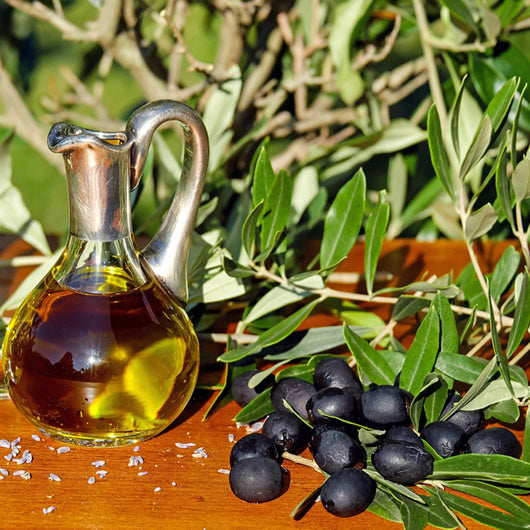
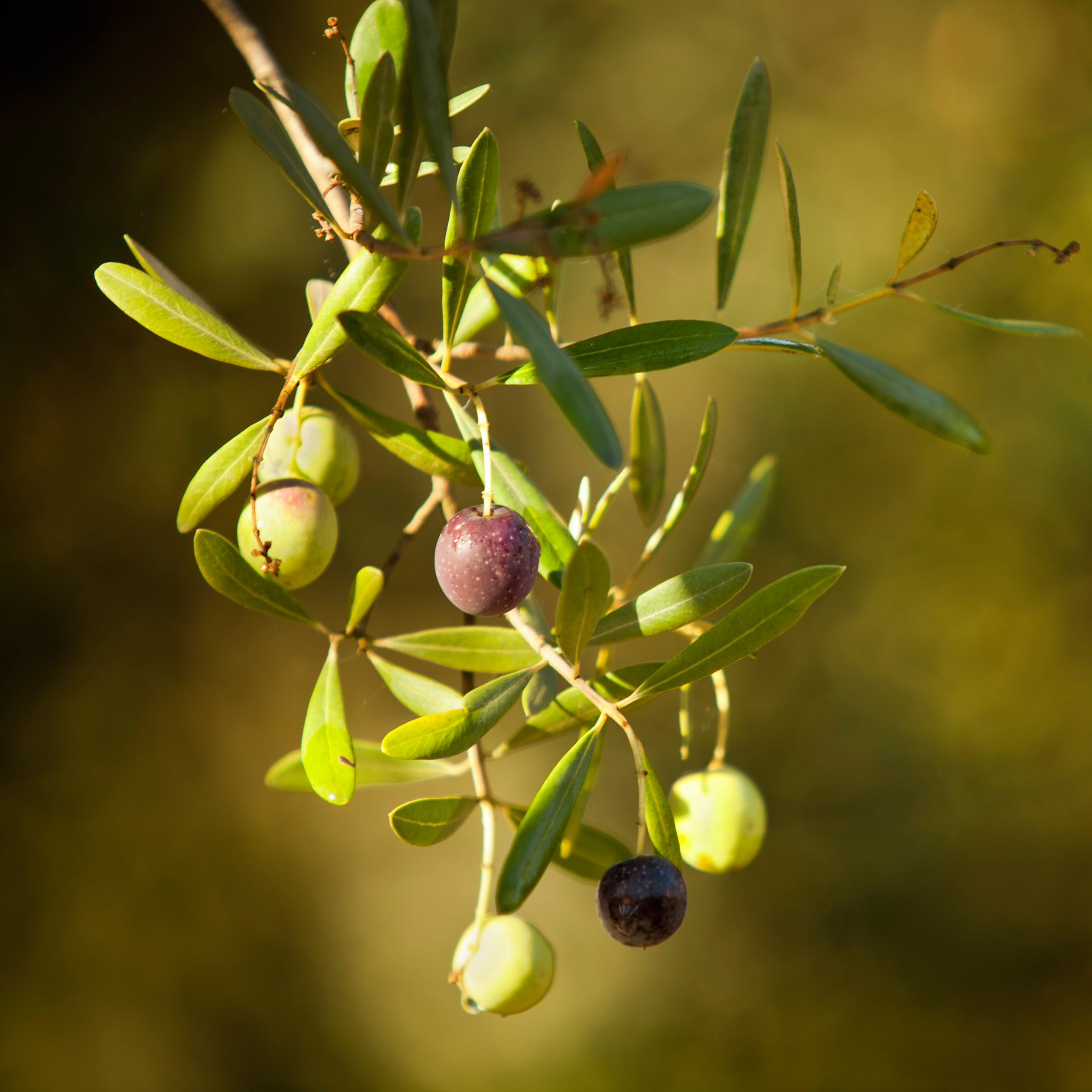
Whichever you choose, store it in a cool, dark cupboard in a sealed container. Get started with The Oil & Vinegar Bar and enjoy oils that stay flavorful from the first pour to the last.
Frequently Asked Questions
What's the best way to store olive oil long term?
Keep unopened bottles in a cool, dark cupboard away from the stove and sunlight, ideally between 60 and 70 degrees Fahrenheit. Choose a dark glass or stainless-steel container, keep the cap tightly sealed, and buy in sizes you can use within a few months. Avoid storing it near the dishwasher or oven, where heat fluctuations speed up oxidation. Once opened, the same rules apply, and you should aim to use the bottle while it still tastes fresh.
Should you store olive oil in the refrigerator?
For most home cooks, refrigeration is not necessary and can cause problems. Cold temperatures make olive oil cloudy and thick, and repeated moving in and out of the fridge exposes it to condensation, which can introduce moisture. If you use oil slowly and live in a very hot kitchen, a cool pantry is still better than a refrigerator door. Only refrigerate if you have a specific reason, and bring the oil back to room temperature before cooking or dressing salads.
Is it okay to store olive oil in a clear glass jar?
Clear glass lets light reach the oil, and light is one of the main causes of rancidity. Even on a countertop, a clear bottle can degrade flavor within weeks when exposed to daylight. If you have a clear bottle, move the oil into a dark cupboard or wrap it in an opaque cloth or paper. Dark green or amber glass, ceramic cruets, and stainless-steel containers all block light far better and are the safer choice for everyday storage.
How can you tell if olive oil has gone rancid?
Rancid olive oil smells like crayons, wet cardboard, putty, or stale nuts instead of fresh grass, fruit, or pepper. The flavor will taste flat, greasy, or bitter in a harsh way, and the color may look dull. If you smell the oil and it reminds you of something you would not want to eat, toss it. Using a small amount on a spoon before cooking with a larger batch is a quick way to check before you waste other ingredients.
