

Best Finishing Olive Oil for Dinner: A Flavor-First Guide
Last Updated: November 15, 2026
Quick Summary
The best finishing olive oil for dinner depends on the dish: choose Sevillano as a versatile all-rounder, Ambrosia for pasta and soups, or California Mission Winter Harvest for mild fish and eggs. Match the oil's intensity to the food and add your finishing olive oil after the heat is off so its aroma survives.
- Every bottle listed in the comparison is $26.00.
- A finishing drizzle is one to two teaspoons for a plated bowl of pasta.
- Use one to two tablespoons of finishing oil over a whole roasted chicken.
- Infused oils like basil and rosemary are finishing oils, not frying oils.
- Finish an opened table bottle within two to three months.
Table of Contents
- Why Finishing Olive Oil Changes a Dinner Plate
- Quick Comparison: Finishing Olive Oil Bottles at a Glance
- Olive Oil Flavor Profiles Explained: Fruity, Grassy, Buttery, and Peppery
-
The Best Finishing Olive Oil for Dinner, Bottle by Bottle
- Sevillano Extra Virgin Olive Oil: The Versatile All-Rounder
- Ambrosia Extra Virgin Olive Oil: Raw, Unfiltered, and Bold
- California Mission Winter Harvest: Decadently Buttery
- Basil, Rosemary, Garlic, and Tuscan Herb: Infused Finishing Oils
- Blood Orange, Meyer Lemon, and Persian Lime: Citrus Finishing Oils
- Dish-by-Dish Pairings: What to Drizzle on Dinner Tonight
- Best Extra Virgin Olive Oil for Frying: What to Use When Heat Is Involved
- How to Store, Portion, and Keep Finishing Oil Fresh
- Build Your Dinner Oil Flight at The Oil & Vinegar Bar
- Frequently Asked Questions
Why Finishing Olive Oil Changes a Dinner Plate
A finishing olive oil is an uncooked extra-virgin olive oil added at the very end of cooking or straight to the plate, so its aroma and flavor reach the table intact.
That distinction explains why the same bottle tastes dull in a hot pan and vivid on a finished dish.
Below, we break down eight bottles by flavor, dish, and price.
Quick Comparison: Finishing Olive Oil Bottles at a Glance
Here is the short version. Every bottle listed here is $26.00.
| Bottle | Size | Flavor Direction | Best For |
|---|---|---|---|
| Sevillano | 275ml | Grassy, artichoke, herbs | All-round finishing |
| Ambrosia | 375ml | Raw, green, peppery | Pasta, soups, bread |
| California Mission Winter Harvest | 375ml | Buttery, mild, sweet | Fish, eggs, vegetables |
| Basil | 375ml | Sweet garden basil | Caprese, pasta, chicken |
| Rosemary | 375ml | Herbal, earthy | Roasts, salmon, potatoes |
| Garlic | 375ml | Clean, savory | Dressings, sautés |
| Blood Orange | 375ml | Sweet citrus | Salads, seafood |
| Meyer Lemon | 375ml | Bright, zesty | Grilled vegetables, fish |
Size
Olive Oil Flavor Profiles Explained: Fruity, Grassy, Buttery, and Peppery
Olive oil flavor profiles fall into four broad families: fruity, grassy, buttery, and peppery. Most bottles blend two or three of these notes, and the balance tells you what to cook with them.
Grassy oils taste of fresh-cut stems and green olives, often with a peppery kick. Buttery oils are rounder and sweeter, with almost no bitterness.
A simple intensity scale helps here:
- Delicate: buttery, mild, low bitterness. Use on fish, eggs, soft cheese.
- Medium: balanced grassy and fruity notes. Use on pasta, vegetables, grains.
- Strong: green, pungent, lingering pepper. Use on soups, beans, grilled meat.
The USDA olive oil grade standards treat "extra virgin" as the top grade, defined by flavor and processing rather than intensity. Grade tells you quality. Intensity tells you what to pour it on.
The Best Finishing Olive Oil for Dinner, Bottle by Bottle
Every bottle here is a finishing oil first. We list them in the order we would hand them to a friend.
Sevillano Extra Virgin Olive Oil: The Versatile All-Rounder
If you buy one bottle and want it to work everywhere, start here.
It is the bottle we reach for when a dish needs finishing but we have not decided what it needs yet. View the Sevillano Extra Virgin Olive Oil for details and pricing.
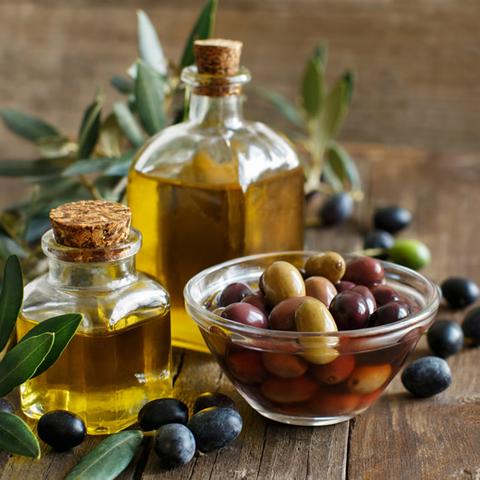
Best for: cooks who want a single dependable drizzle. Skip if: you want a bold, peppery hit.
Ambrosia Extra Virgin Olive Oil: Raw, Unfiltered, and Bold
Ambrosia is raw and unfiltered, produced with stone-grinding methods rooted in Greek tradition.
The cloudiness is characteristic of the unfiltered oil. View the Ambrosia Extra Virgin Olive Oil to see details and buy a bottle.
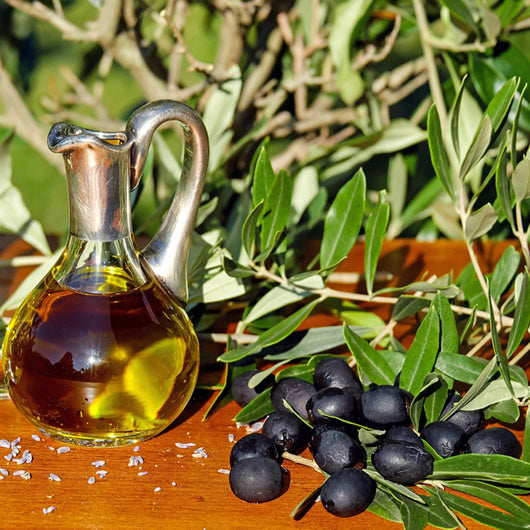
Best for: pasta and soup nights where the oil is the star. Skip if: you prefer a clean, mild finish.
California Mission Winter Harvest: Decadently Buttery
Not every dinner wants pepper. California Mission Winter Harvest is velvety, mild, and gently sweet, with a buttery character that suits delicate food.
This is the bottle for white fish, scrambled eggs, steamed vegetables, and anything where a peppery oil would bully the plate. View the California Mission Winter Harvest Extra Virgin Olive Oil for details and pricing.
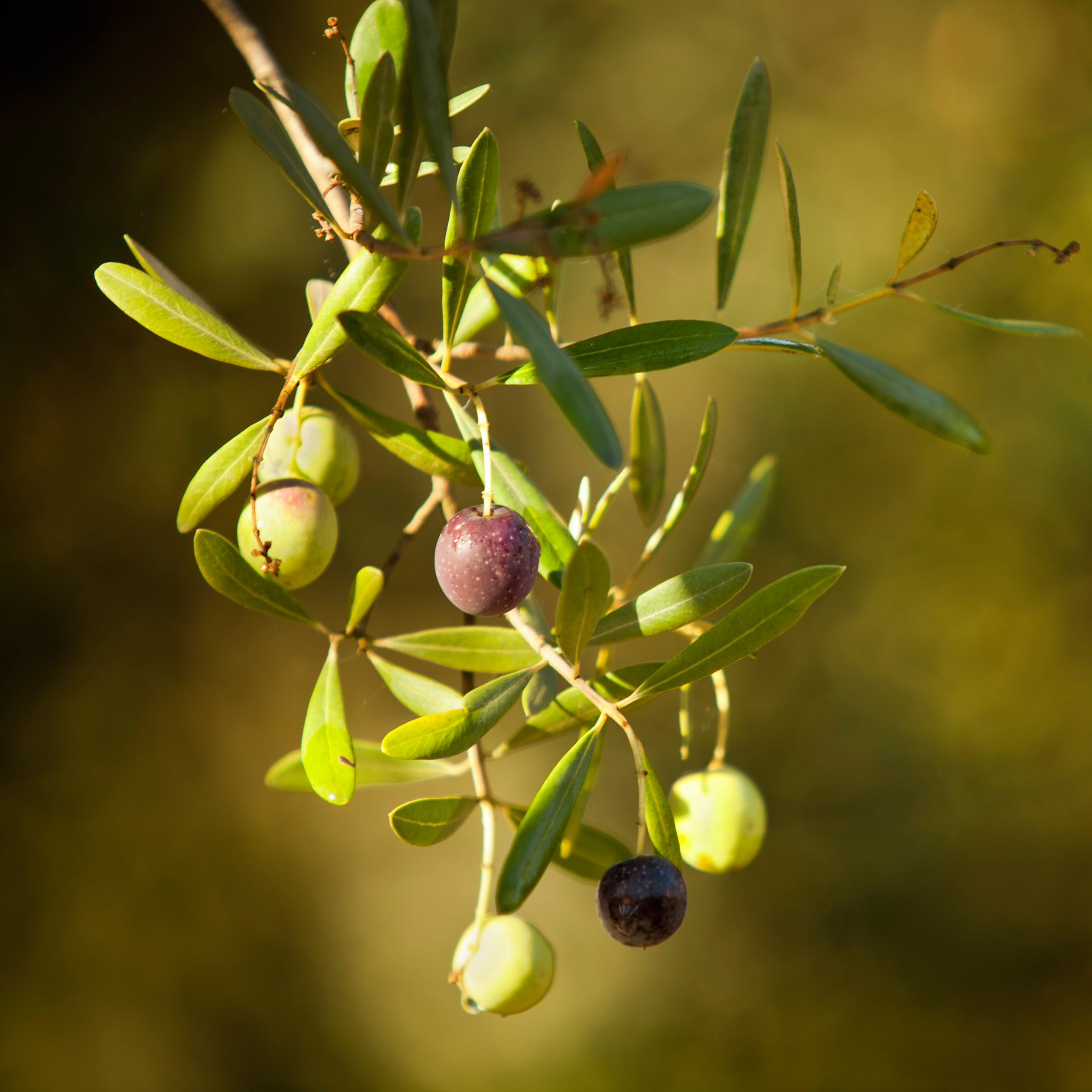
Best for: mild dishes and guests who dislike bitterness. Skip if: you want punch and intensity.
Basil, Rosemary, Garlic, and Tuscan Herb: Infused Finishing Oils
Infused oils add flavor without adding steps. Basil carries sweet garden basil and a crisp finish. Rosemary brings herbal, earthy depth.
A word of caution: infused oils are finishing oils, not frying oils. The herbs and aromatics can scorch in a hot pan and turn bitter.
Best for: weeknight cooks who want flavor fast. Skip if: you only cook with high heat.
Blood Orange, Meyer Lemon, and Persian Lime: Citrus Finishing Oils
Citrus oils are the bright end of the range. Blood Orange is sweet and vivid. Meyer Lemon is light and zesty, made with real lemon. Persian Lime is refreshing and light.
These bottles make a plain plate look intentional. Grilled fish, roasted vegetables, salads, and grain bowls all benefit from a citrus finish. Browse the blood orange option if you want to start there.
Best for: seafood, salads, and warm-weather cooking. Skip if: you want a savory, herbal profile.
Dish-by-Dish Pairings: What to Drizzle on Dinner Tonight
Match the oil to the dish, not the other way around. Two variables do most of the work: the intensity of the oil and the intensity of the finished dish.
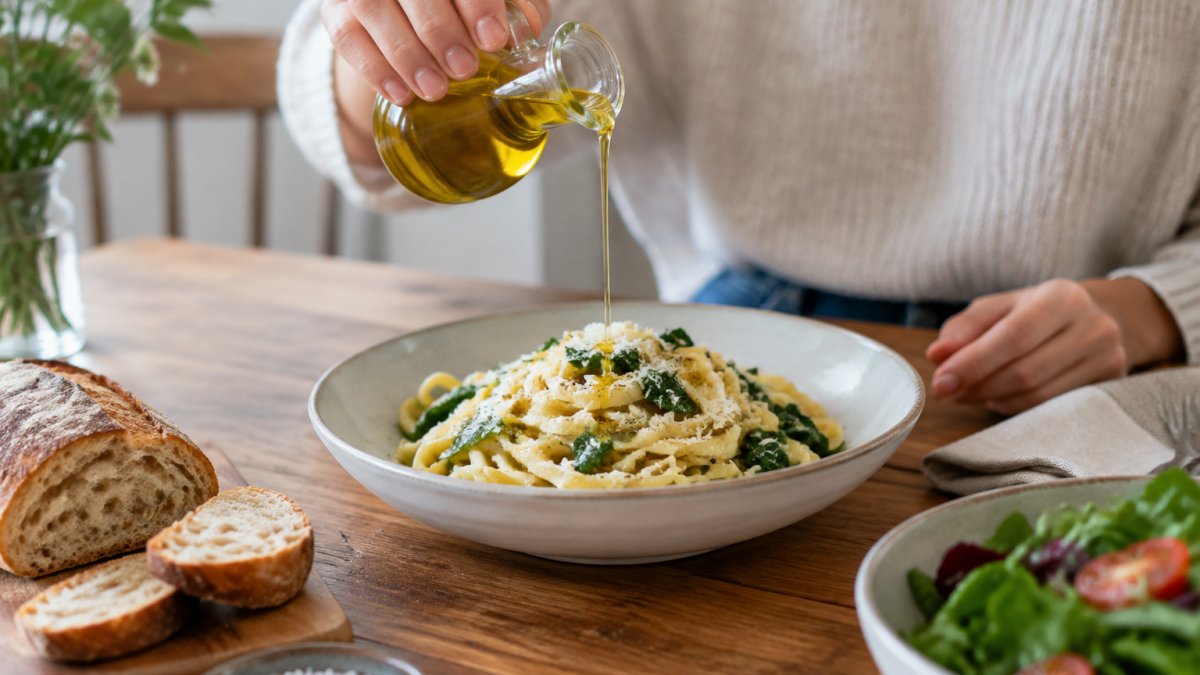
How much finishing oil to use
A finishing drizzle is smaller than most people expect. For a plated bowl of pasta, that is one to two teaspoons total, tossed in off the heat; for a whole roasted chicken, one to two tablespoons over the carved pieces.
Pasta, risotto, and grains
Ambrosia is the pick for fresh pasta with Parmesan, cacio e pepe, and risotto finished with butter. Its raw, cloudy, peppery edge works well with aged cheese and starch. Add it off the heat and toss, not stir, so the oil coats rather than emulsifies. For grain bowls and farro salads, Sevillano's grassy artichoke note works better than a buttery oil because the grain is neutral and needs lift.
Roasts, steak, and grilled meat
Sevillano can be drizzled over rested, sliced grilled steak. Rosemary or Tuscan Herb suits roast chicken and pork, applied after roasting, the herbal notes open up with residual heat but scorch in the oven.
Fish and seafood
Seared salmon and grilled white fish want Meyer Lemon or Rosemary; both are built for fish and neither overwhelms the flesh. For a buttery, mild fillet, California Mission Winter Harvest is safer because its low bitterness lets the fish read as sweet.
Vegetables and salads
Steamed vegetables pair well with California Mission Winter Harvest for a buttery finish; roasted vegetables pair well with Blood Orange or Meyer Lemon. Basil works well over mozzarella and tomatoes at the table. A green salad wants Blood Orange whisked with balsamic, or Sevillano alone if the greens are already bitter.
Soup, beans, and bread
Ambrosia over bean soup or minestrone is the classic move: the raw oil pools on the surface and releases pepper and green olive as you spoon through it.
Watch out: pouring a delicate oil over a bold dish is the most common pairing mistake. The flavor disappears and the bottle earns a reputation it does not deserve.
Best Extra Virgin Olive Oil for Frying: What to Use When Heat Is Involved
The best extra virgin olive oil for frying is a fresh, medium-intensity oil you are willing to use in quantity, not your most delicate finishing bottle. Extra-virgin olive oil handles home frying temperatures well, and its smoke point sits comfortably above typical pan-frying heat, according to olive oil smoke point guidance from the North American Olive Oil Association.
Our rule: cook with Sevillano or California Mission, then finish with Ambrosia, Basil, or a citrus oil. For the full method, our guide on using extra virgin olive oil for frying walks through temperatures and reuse.
Watch out: reusing frying oil more than two or three times degrades flavor and creates off notes. Strain it, store it cool, and retire it early.
How to Store, Portion, and Keep Finishing Oil Fresh
Freshness is the whole point of a finishing oil, and it is easy to ruin. Light and heat can degrade olive oil over time, and every time you open the bottle, fresh air enters and the oil can go flat.
Storage that actually protects flavor
- Store bottles in a dark cupboard, not on the windowsill or beside the stove. A cabinet away from the range keeps both light and ambient heat low.
- Cap tightly after every pour. Oxygen turns oil stale, and a loose cap is the most common cause of flat-tasting finishing oil.
- Choose dark glass or tin over clear glass when you have the option; both block the light that degrades chlorophyll, and tin blocks it completely.
Portioning for the table
Pour a week's worth of finishing oil into a small dark table bottle and refill it from the main container, rather than opening the large bottle at every meal. This limits oxygen exposure on the main supply and keeps the table bottle small enough to empty before it goes stale.
Realistic use-by guidance
A finishing oil is at its brightest within a few months of opening, and the decline is gradual rather than a cliff. A green, peppery oil loses its throat-catching pungency first; a buttery oil turns slightly waxy and flat. Use the harvest date as your anchor: a bottle more than a year past harvest tastes duller than a newer one even if unopened.
How to tell an oil has turned
Smell before you pour. A fresh finishing oil smells of green olive, grass, or the fruit or herb it was infused with. An oil that smells of crayon, wet cardboard, or old nuts has oxidized and will not recover.
Our oils are produced by trusted partners across the Mediterranean and bottled in-house in small batches, which keeps the gap between production and your kitchen short.
Build Your Dinner Oil Flight at The Oil & Vinegar Bar
The fastest way to learn what you like is to taste side by side.
Start with Sevillano for the all-purpose slot, Ambrosia for pasta and soup, and a citrus oil for seafood and salads.
A dinner plate only needs one good drizzle to change, and matching the bottle to the dish is the whole skill.
Frequently Asked Questions
What foods benefit most from a drizzle of finishing olive oil?
Finishing olive oil shines on dishes that are already cooked or served raw, where its aroma and flavor stay intact. Drizzle it over fresh pasta, soups, stews, grilled fish, roasted vegetables, white beans, and crusty bread. It also works well on salads, caprese, and even vanilla ice cream when you use a citrus-infused bottle. The key is adding it at the end, off the heat, so the volatile flavor compounds reach the table.
What is the difference between olive oil and finishing olive oil?
All finishing olive oil is extra-virgin olive oil, but not every extra-virgin bottle is treated as a finisher. Finishing oil is chosen for aroma, complexity, and peppery or fruity character, and it is used in small amounts at the end of cooking. Everyday cooking oil is chosen more for heat tolerance and neutral flavor. A bottle like Sevillano Extra Virgin Olive Oil bridges both roles, but a bold unfiltered oil such as Ambrosia is best saved for the plate.
Can you use finishing olive oil for high-heat cooking?
You can, but you lose the qualities you paid for. Finishing oil is selected for aroma and delicate flavor compounds that break down under high heat. For frying and searing, use a good-quality extra-virgin olive oil you are happy to heat, and save the aromatic, peppery, or infused finishing bottles for the plate. If you want one bottle to do both, choose a versatile oil like Sevillano and keep the citrus and herb infusions for drizzling.
How should you store finishing olive oil to maintain its flavor profile?
Keep finishing olive oil in a cool, dark cupboard away from the stove, and seal the cap tightly after each use. Light and heat speed up flavor loss, so a tinted bottle or a closed cabinet is better than a sunny windowsill. Buy bottles sized to your usage and check the harvest date on the label. A 275ml or 375ml bottle is easier to keep fresh than a large tin.
What flavor notes should you look for in a high-quality finishing oil?
Look for a clear aroma the moment you open the bottle, then taste for balance. Fruity and grassy notes are common in early-harvest oils, buttery and mild notes suit all-purpose finishing, and a peppery kick at the back of the throat signals fresh polyphenols. Avoid oil that smells flat, waxy, or like cardboard. A finishing oil should taste like something on its own, before it ever touches your dinner.
