

Small Batch Olive Oil for Cooking: A Buyer's Guide
Last Updated: November 24, 2026
Quick Summary
Small batch olive oil is produced in limited runs from a single harvest, pressed and bottled close to the source rather than blended across seasons and hemispheres. That short path from grove to bottle keeps it fresher than mass-market oil, so flavor compounds survive all the way to your pan. Every bottle on our shortlist is $26.00.
- We weight harvest and milling dates heaviest because freshness is the one variable you cannot taste your way around.
- Sevillano is the versatile all-rounder for everyday sautéing, roasting, and dipping.
- Ambrosia is a bold, raw, unfiltered oil best for finishing, marinades, and raw applications.
- Most stovetop sautéing happens between 300°F and 375°F, and oven roasting rarely exceeds 425°F.
- Store bottles in a cool, dark cupboard, tightly capped, away from the range.
Table of Contents
- Why Small Batch Olive Oil for Cooking Earns Its Place in Your Kitchen
- How We Evaluated These Oils: Five Criteria That Matter
-
The Best Olive Oil for Cooking and Frying: Five Bottles Worth Trying
- Sevillano Extra Virgin Olive Oil: The Versatile All-Rounder
- Ambrosia Extra Virgin Olive Oil: Bold, Raw, and Unfiltered
- California Mission Winter Harvest: Mild and Buttery
- Blood Orange and Persian Lime: Flavored Oils for Finishing
- How the Shortlist Maps to Real Cooking Tasks
- What the Scores Do Not Tell You
- Small-Batch Olive Oil vs. Mass-Market Olive Oil
- Olive Oil Smoke Point: What You Can Actually Cook At
- How to Store Olive Oil So It Stays Fresh
- Choosing Your Bottle at The Oil & Vinegar Bar
- Frequently Asked Questions
Why Small Batch Olive Oil for Cooking Earns Its Place in Your Kitchen
Small batch olive oil for cooking is produced in limited runs from a single harvest, pressed and bottled close to the source rather than blended across seasons and hemispheres. Because the way an oil is produced shapes how it is used, ozonated olive oil buyer's guide offers a useful point of comparison alongside these small-batch cooking oils.
Most cooking oil is older than you think. Mass-market bottles blend multiple harvests and countries, so "extra virgin" tells you the grade, not the age.
Does it matter once the pan heats up? Yes. Flavor compounds fade with time, so older oil tastes flat before it hits the stove.
Below: how we evaluate these oils, five bottles worth trying, and how to store them so the last drizzle tastes as good as the first.
How We Evaluated These Oils: Five Criteria That Matter
A great-tasting oil that goes rancid in eight weeks is a bad purchase.
- Freshness signals: harvest date, milling date, and whether the producer will tell you both.
- Production method: cold extraction, and for unfiltered oils, how the raw character is preserved.
- Flavor clarity: does the oil taste like the fruit it came from, with a clean finish?
- Cooking performance: how the oil behaves under heat, not just on bread.
A common mistake is judging oil by color. Golden and green tell you almost nothing about quality; a fresh, peppery oil can be pale, and a dull oil can be dark green.
What most guides miss is that "cold-pressed" and "unfiltered" are process descriptions, not quality guarantees.
The Best Olive Oil for Cooking and Frying: Five Bottles Worth Trying
Most best-of lists rank bottles by flavor alone and leave you to guess which belongs next to the stove. We score each bottle against the same five criteria, then translate the scores into the job it does best: everyday sautéing, roasting, shallow frying, or finishing.
| Bottle | Size | Flavor Profile | Primary Cooking Job | Price | Approx. Cost per Tbsp |
|---|---|---|---|---|---|
| Sevillano | 275ml | Smooth, grassy, herbal | Everyday sautéing, roasting, dipping | $26.00 | About $1.40 |
| Ambrosia | 375ml | Bold, green, peppery | Finishing, marinades, raw applications | $26.00 | About $1.03 |
| California Mission Winter Harvest | Listed in catalog | Mild, buttery | Gentle sautéing, baking swaps | $26.00 | Varies by bottle size |
| Blood Orange | 375ml | Sweet orange, fruity | Drizzling, desserts, salads | $26.00 | About $1.03 |
| Persian Lime | 375ml | Light, aromatic citrus | Dressings, summer dishes | $26.00 | About $1.03 |
The cost-per-tablespoon figures assume 1 tablespoon equals about 14.8 milliliters, so a 275ml bottle holds roughly 18.6 tablespoons and a 375ml bottle roughly 25.3. A finishing oil used one tablespoon at a time stretches much further than a cooking oil you pour into a hot pan.
Sevillano Extra Virgin Olive Oil: The Versatile All-Rounder
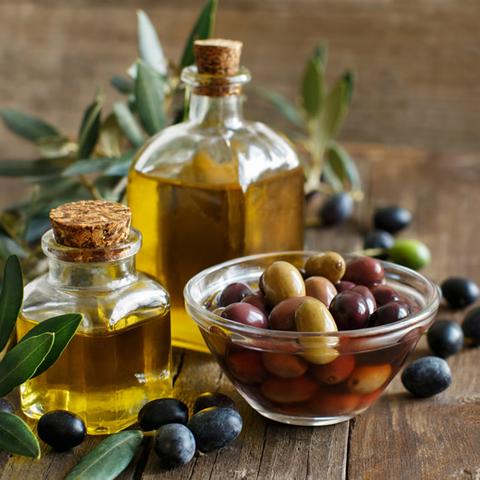
Sevillano is our most popular bottle. Smooth and full-flavored, with hints of artichokes and fresh herbs, it carries that grassy character of newly ripened green olives.
Use it for bread dipping, salad dressings, and main courses. It is a lovely finishing oil too, which is rare for something this versatile. See the full Sevillano details and order a bottle.
Best for: cooks who want one bottle that handles most of the week. Skip if: you want an aggressive, peppery oil for raw finishing.
Ambrosia Extra Virgin Olive Oil: Bold, Raw, and Unfiltered
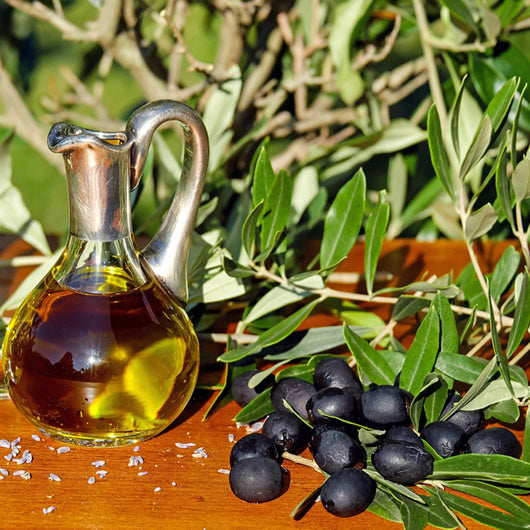
Ambrosia is a bold, raw, unfiltered oil. It is cold-pressed using stone-grinding methods from old Greek mills, and has a green, peppery finish.
The slight cloudiness signals raw, unfiltered status, so do not mistake it for a flaw. It can be used as a finishing oil over pasta, soups, and stews, as a dip with crusty bread and sea salt, and as a marinade base. Browse Ambrosia on the product page.
Best for: cooks who want uncompromised, garden-fresh flavor and a peppery kick. Skip if: you prefer a neutral, clean-tasting oil for delicate dishes.
California Mission Winter Harvest: Mild and Buttery
Some nights call for restraint. California Mission Winter Harvest is velvety smooth and mild, with a gentle sweetness the catalog describes as decadently buttery.
It suits gentle sautéing and cooks who prefer a mild oil. View the California Mission Winter Harvest bottle.
Best for: mild palates and dishes where the oil should support, not lead. Skip if: you want a pronounced, peppery finish.
Blood Orange and Persian Lime: Flavored Oils for Finishing
These two are finishers, not frying oils, and treating them as anything else wastes them. The Blood Orange is naturally flavored with the sweet flavor of real orange, and the Persian Lime brings the refreshing, distinct taste of real lime in a light, aromatic oil.
The Blood Orange oil is naturally flavored with real orange. Both come in 375ml bottles. Take a look at the Blood Orange bottle.
Best for: finishing, dressings, and dishes that need a citrus lift. Skip if: you need a high-heat cooking oil.
How the Shortlist Maps to Real Cooking Tasks
A scored list is only useful if it tells you what to reach for on a given night. Here is how we split the five bottles by task.
- Everyday sautéing and roasting: Sevillano has a grassy, herbal profile.
- Gentle sautéing and baking swaps: California Mission Winter Harvest. It is described as velvety smooth and mild.
- Shallow frying: Sevillano or California Mission, depending on whether you want flavor or neutrality. Both handle the temperatures of a shallow fry in a skillet.
- Finishing and raw applications: Ambrosia for a peppery finish, Blood Orange and Persian Lime for a citrus note.
- Marinades: Ambrosia. Its raw, unfiltered character carries through a marinade in a way a filtered oil does not.
What the Scores Do Not Tell You
Our criteria weight freshness and cooking performance heavily, but two bottles can score identically and still suit different cooks. The score narrows the field; your cooking style picks the winner.
Approximate cost per tablespoon of each olive oil
Small-Batch Olive Oil vs. Mass-Market Olive Oil
Small-batch producers press in limited runs and can usually tell you the harvest and milling dates. Mass-market oil is blended for consistency and shelf stability, which often means older oil from multiple origins in a single bottle.
That does not make supermarket oil dishonest. It makes it anonymous. You cannot ask a blended bottle when its contents were pressed, because the answer is "several harvests, several countries."
That is the trade-off for freshness.
Olive Oil Smoke Point: What You Can Actually Cook At
The exact number varies by oil and freshness, so we will not hand you a single figure and pretend it is universal. What matters is how you use it.
But those numbers are measured under lab conditions on fresh oil. Your bottle has been open for weeks, stored near a warm stove, and exposed to air every time you pour, all of which lower the temperature at which it breaks down.
That is why we treat smoke point as a threshold to stay under, not a target to hit. A few practical rules we cook by:
- Sautéing and roasting: extra virgin is fine. Most stovetop sautéing happens between 300°F and 375°F, and oven roasting rarely exceeds 425°F. A fresh extra virgin oil sits comfortably inside that range.
- Shallow frying: also fine, provided the oil is reasonably fresh. Shallow frying typically runs 325°F to 375°F, which is within reach of a good bottle.
- Deep frying: possible, but you will burn through an expensive bottle fast. A full pot of frying holds far more oil than a skillet, and the oil degrades with each use.
- Finishing: no heat at all. This is where a bold oil like Ambrosia earns its keep.
Why Smoke Point Is Not the Whole Story
Smoke point gets treated as the single measure of whether an oil is "good for cooking," and that framing is misleading.
Heat accelerates oxidation, and oxidation is what turns fresh oil rancid. Every time you heat oil, you consume some of its antioxidant capacity.
Watch out: repeated reuse of frying oil lowers its smoke point each time. If your oil starts smoking at a lower temperature than it did last week, it is spent.
Reading the Signs in the Pan
You do not need a thermometer to know when oil is ready. A few visual and olfactory cues do the job.
- Shimmer: a faint ripple across the surface means the oil is hot enough for sautéing. This is the stage you want for most weeknight cooking.
- Faint haze: a light haze is a warning sign. Turn the heat down before it becomes smoke.
- Smoke: visible smoke means the oil has passed its smoke point. Pull the pan off the heat, let it cool, and start over with fresh oil if the dish allows.
- Acrid smell: a sharp, burnt smell that lingers after the pan cools is a sign the oil has degraded. Do not reuse it.
For a deeper walkthrough of frying temperatures, read our guide to extra virgin olive oil for frying. The USDA FoodData Central database is a useful reference for the composition of cooking oils if you want the numbers behind the behavior.
How to Store Olive Oil So It Stays Fresh
Light, heat, and air are the three enemies of fresh oil, and your countertop next to the stove hits all three. Store bottles in a cool, dark cupboard, tightly capped, away from the range.
A few habits that protect your investment:
- Keep oil in the original dark glass, or decant a small amount into a tinted bottle for daily use.
- Never store oil above the stove or in a sunny window.
- Buy sizes you will finish in a few months rather than a year.
- Taste before you cook with a bottle that has been open a while; flat or waxy notes mean it has faded.
The FDA guidance on food storage and shelf life offers general principles for pantry oils that apply here. Small batch oil has no special storage needs, but it does reward good storage more visibly because there is more flavor to lose.
Choosing Your Bottle at The Oil & Vinegar Bar
Start with how you cook, not with the label. For one bottle that handles most weeknights, Sevillano is the safe, versatile pick.
Every bottle is $26.00, bottled by hand on the Oregon Coast from oils sourced from Spain, Tunisia, Greece, and Italy.
The real challenge is not finding olive oil. It is finding oil fresh enough to taste the difference, and knowing how to store it once you do.
Frequently Asked Questions
Is small-batch olive oil better for cooking?
Small-batch olive oil from The Oil & Vinegar Bar is bottled by hand on the Oregon Coast from oils sourced from Spain, Tunisia, Greece, and Italy. Flavor is a matter of taste, so the bottle descriptions are the best guide to which oil suits a given dish.
Can you cook with extra virgin olive oil?
Extra virgin olive oil is commonly used for sautéing and roasting at home. Check the label and the product description for guidance on which oil suits the cooking you have in mind.
What should I look for when buying small batch olive oil?
When comparing olive oils, look at the production method, the origin named on the label, and the bottle size. Tasting notes such as grassy or peppery can help you find a style you enjoy.
How should you store olive oil to keep it fresh?
Olive oil is generally best kept in a cool, dark place with the cap tightly closed, away from heat and light.
What is the difference between small-batch and mass-market olive oil?
Small-batch olive oils from The Oil & Vinegar Bar are curated from named regions including Spain, Tunisia, Greece, and Italy, and each is bottled by hand on the Oregon Coast.
