

Where to Buy Authentic Olive Oil: A Buyer's Guide to Real EVOO
Last Updated: November 22, 2026
Quick Summary
The best place to buy authentic olive oil online is directly from a producer or specialty retailer that bottles in small batches and prints a harvest date on the label. Mass-market bottles rarely tell you when the fruit was pressed, so check for a harvest date, named origin, and a seller who describes storage and shipping.
- Producer-direct sites give the clearest harvest date and origin but have narrow selection.
- Check for a harvest date or crop year, not just a best-before date.
- A listing with no harvest date is not proof of freshness, even with a beautiful bottle.
- Store oil in a dark cupboard, keep the cap tight, and use it within a few months of opening.
- A small tasting set or curated flight is the lowest-risk way to buy online.
Table of Contents
- Where to Buy Authentic Olive Oil Online
- How to Tell If Olive Oil Is Authentic
- Best Extra Virgin Olive Oil Brands to Consider
- Authentic Olive Oil for Cooking: Matching Oil to Method
- Grocery Store vs. Specialty Shop vs. Online: Where Your Money Goes
- Freshness, Storage, and What Happens After You Buy
- Build Your Own Tasting Flight at The Oil & Vinegar Bar
- Frequently Asked Questions
Where to Buy Authentic Olive Oil Online
Authentic olive oil is a fresh fruit juice, and where you buy it matters more than almost any other food purchase you make.
Here's the problem most shoppers run into. A bottle can say "extra virgin" and still be old, blended, or stored badly before it reaches your kitchen.
Online sellers fall into four rough groups, and each one trades off differently on freshness, selection, and price:
- Producer-direct sites. A single farm or mill sells its own oil. You get the clearest harvest date and origin, and often a crop-year note. Selection is narrow, shipping can be slow in peak season, and small producers sometimes sell out before the new harvest lands.
- Specialty olive oil retailers. Curated multi-producer shops that bottle by hand or buy in small lots. They usually publish harvest dates per listing and can tell you which bottles are freshest. Prices sit above grocery level because more of the money goes into the oil and faster turnover.
- Grocery and mass-market e-commerce. Convenient and cheap, but listings often show only a best-before date, and warehouse storage is not temperature-controlled for oil. Fine for high-volume everyday cooking, weak for a premium bottle.
- Marketplaces and third-party sellers. Widest selection and the hardest to verify. A single listing can mix several sellers, and harvest dates are frequently missing. Treat these as a place to compare, not a place to trust by default.
When you shop online, run this check before you add anything to your cart:
- A harvest date or crop year, not just a best-before date
- A named country of origin or single-origin region
- A seller who describes how the oil is stored and shipped
- A return policy that covers a bottle that arrives tired or damaged
- Bottle size and material stated in the listing, not just the photo
Specialty retailers that bottle by hand tend to publish all of these. Big marketplaces often publish none of them. That gap is the whole game.
A practical way to compare two listings side by side is to sort by what each one proves. If one seller shows a harvest month and year, a named region, and a storage note, and the other shows only "extra virgin" and a price, the first listing is doing more of the work for you. That difference in disclosure is a better signal than any badge on the label.
If you want to taste before committing to a full bottle, a small tasting set or a curated flight is the lowest-risk way to buy online.
How to Tell If Olive Oil Is Authentic
You can tell if olive oil is authentic by checking four things on the label: harvest date, origin, extraction method, and a quality seal or certification. If a bottle lists none of these, treat it as a cooking oil of unknown age, not a premium product.
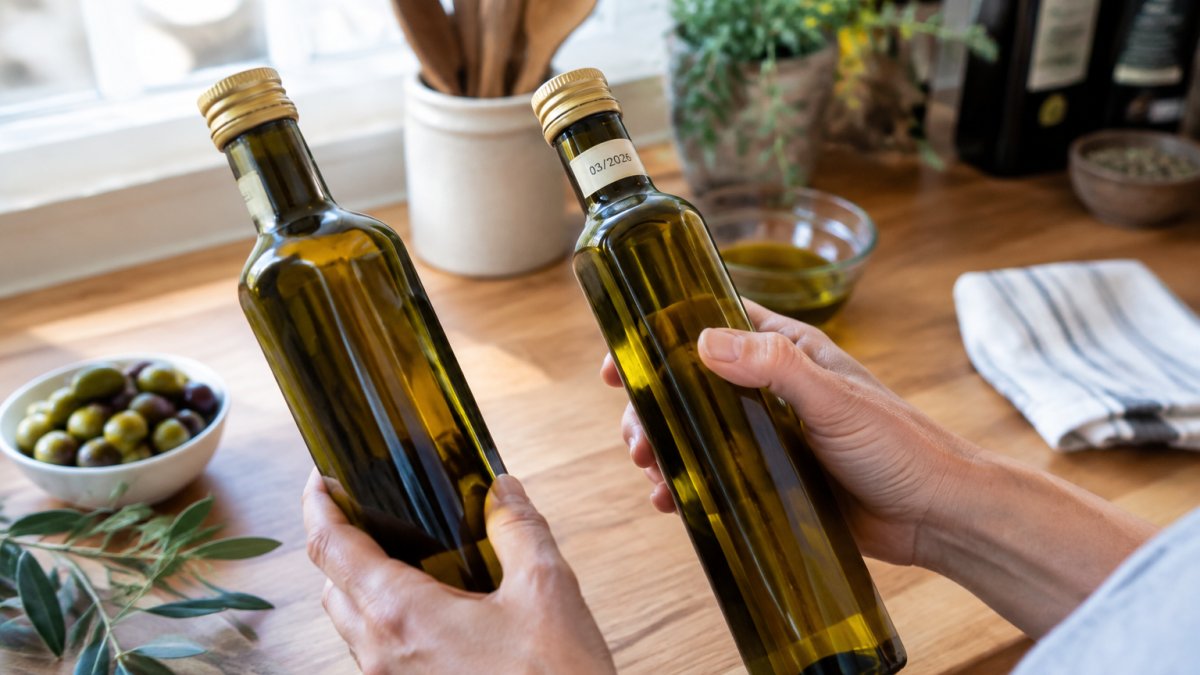
A practical authenticity checklist you can run in the store aisle or on a product page:
- Harvest date printed clearly. A best-before date alone tells you nothing about freshness.
- Country of origin stated. "Packed in" is not the same as "harvested in."
- Cold extraction or cold-pressed noted. Heat speeds up yield but costs flavor.
- Certification where it applies. Look for USDA organic, PDO, or PGI seals.
- Bottle material and size. Dark glass or tin protects the oil. Smaller bottles finish faster.
- Tasting notes that sound like food. "Green and peppery" is a real description. "Pure and natural" is marketing.
What most guides miss is the certification layer. PDO, or Protected Designation of Origin, is a European Union quality seal that ties a product to a specific region and production method (Geographical indications and quality schemes explained).
The USDA organic labeling standards are the reference point for what "certified organic" actually means on a US label. If organic matters to you, check for the seal rather than the word.
How to compare freshness across bottles. Line up the dates and the storage story, not just the seal:
- Prefer a harvest month and year over a best-before date, and remember that oil is at its best within roughly a year of harvest and best used within a few months of opening.
- Compare crop years between two bottles of the same brand; the newer one is usually the better buy.
- Check bottle size against how fast you cook; a large tin you open once a month will fade before you finish it.
- Ask how the seller stores and ships; heat and light do more damage in transit than most shoppers expect.
Watch out: a seal on the front label is not a freshness date, and a bottle can carry a legitimate certification while still being a year or more past harvest.
Read the label in layers. First the harvest date, then the origin wording, then the extraction method, then any seal.
Best Extra Virgin Olive Oil Brands to Consider
1. Sevillano Extra Virgin Olive Oil, our top pick for versatility ($26.00, 275ml)
Our most popular and award-winning bottle. If you're buying one bottle to learn what good oil tastes like, start here. See the full Sevillano lineup.
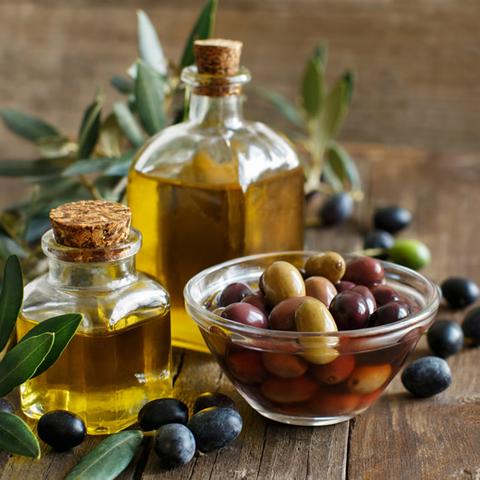
2. Ambrosia Extra Virgin Olive Oil, best for raw, unfiltered character ($26.00, 375ml)
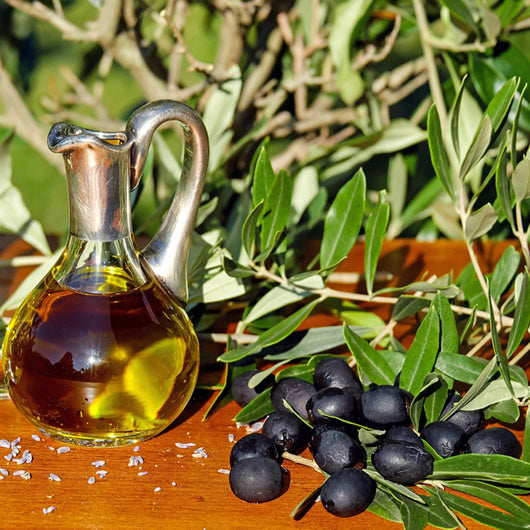
Stone-ground and cold-pressed using methods honored in Greece for centuries.
3. California Mission Winter Harvest Extra Virgin Olive Oil, best for mild, buttery dishes ($26.00)
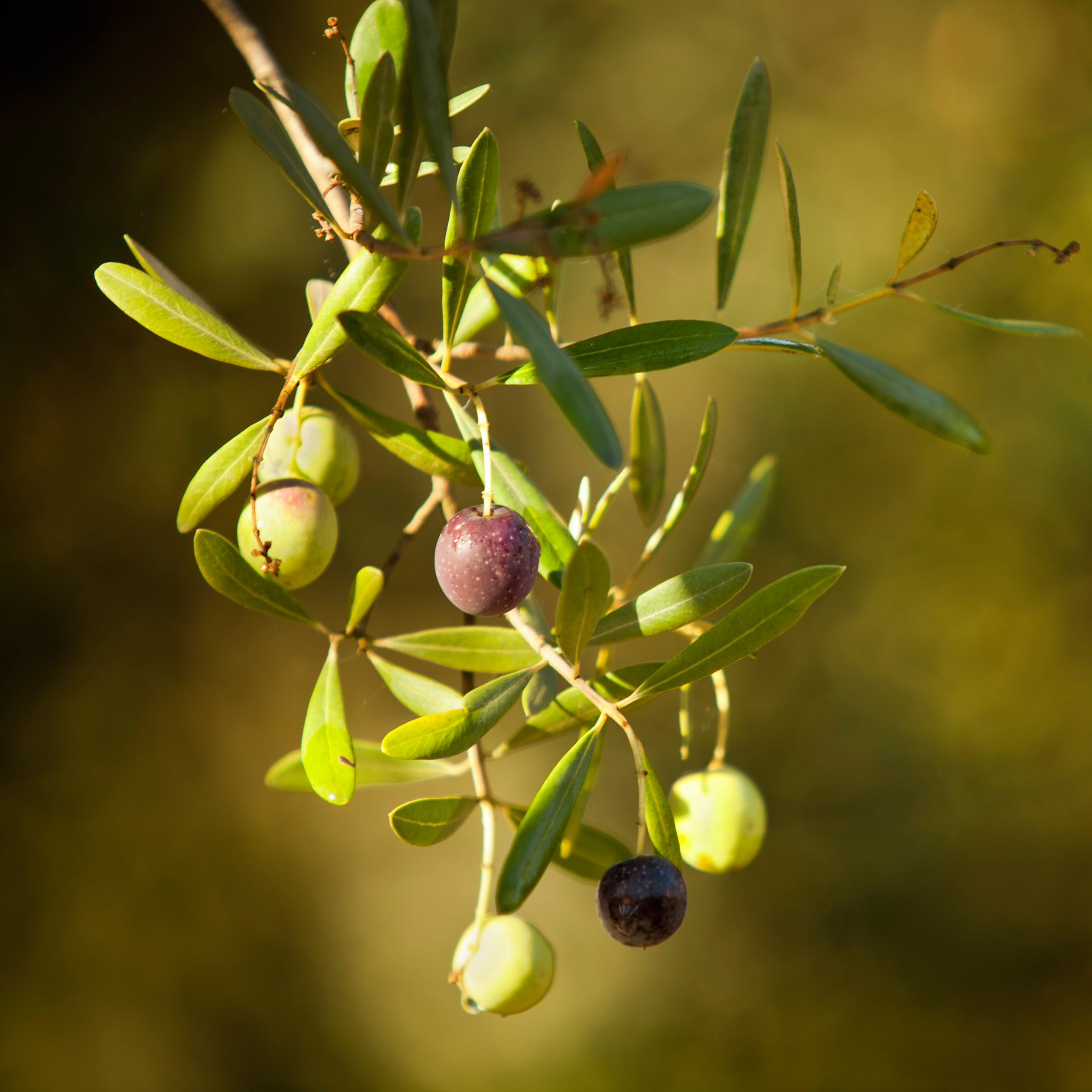
Velvety smooth and mild, with a gentle touch of sweetness.
4. Basil Infused Olive Oil, best for dipping and dressings ($26.00, 375ml)
Premium oil infused with the sweet, slightly peppery notes of fresh basil.
5. Blood Orange Extra Virgin Olive Oil, best for something different ($26.00, 375ml)
High-quality extra virgin olive oil naturally flavored with real orange.
6. Rosemary Olive Oil, best for roasting and grilling ($26.00, 375ml)
Authentic Olive Oil for Cooking: Matching Oil to Method
Authentic olive oil belongs in more of your cooking than you think. Match the oil to the method and you'll get better results than reaching for one bottle for everything.
- Finishing and dipping: Sevillano or Ambrosia. Add after the heat is off.
- Roasting vegetables: Rosemary or California Mission. Both hold up in a hot oven.
- Salads and vinaigrettes: Basil, Blood Orange, or Sevillano.
- Grilling and marinades: Rosemary, or Ambrosia for deeper flavor penetration.
- Everyday sautéing: California Mission for a mild base, Sevillano when you want flavor.
The common mistake is assuming extra virgin olive oil can't take heat. It can, and it's more stable than many people expect. For a deeper look, our guide on extra virgin olive oil for frying walks through temperatures and methods.
Grocery Store vs. Specialty Shop vs. Online: Where Your Money Goes
Your money buys different things at each type of store, and understanding that split is the fastest way to stop overpaying for average oil. A grocery store bottle at a low price mostly covers packaging, distribution, and shelf space. A specialty shop or direct online seller puts more of your money into the oil itself and into faster turnover.
| Where You Buy | What You Usually Get | Freshness Signal | Best For |
|---|---|---|---|
| Grocery store | Blended or mass-market oil | Rarely a harvest date | Everyday high-volume cooking |
| Specialty food store | Curated single-origin bottles | Staff who know the stock | Tasting before you commit |
| Online direct | Small-batch, dated bottles | Harvest date on the listing | Buying a specific flavor profile |
Grocery store shelves move slowly in some categories, and olive oil sits in bright light, which is the worst possible storage. Specialty shops turn stock faster and can tell you what's fresh. Online direct buying gives you the widest selection of regional oils, from Italian and Greek to Spanish, Portuguese, and Croatian, without leaving your kitchen.
Freshness, Storage, and What Happens After You Buy
Freshness is the single biggest difference between good olive oil and great olive oil, and it's the thing you can't fix once the bottle is in your kitchen. Heat, light, and air are the enemies. Store your oil in a dark cupboard, keep the cap tight, and use it within a few months of opening.
How to compare freshness before you buy:
- Check the harvest date, not just the best-before date
- Prefer smaller bottles you'll finish in a few months
- Choose dark glass or tin over clear plastic
- Buy from sellers who ship quickly and pack with care
That last point matters more than people realize. Oil that sits in a hot delivery truck for a week arrives tired. We pack every order with care so it arrives fresh and unspoiled, and you can read about how we ship olive oil and balsamic before you order.
Build Your Own Tasting Flight at The Oil & Vinegar Bar
The best way to learn what authentic olive oil tastes like is to taste several side by side, which is exactly why we built our tasting bar around small pours and honest comparisons. Taste two oils back to back and the differences stop being abstract. One is grassy, one is buttery, one finishes with pepper.
A simple flight to start with:
- Sevillano for the classic green, grassy profile
- California Mission for mild and buttery
- Ambrosia for raw, unfiltered depth
- Basil or Blood Orange to see how infusion changes the picture
Once you've picked a favorite, put it to work. Our recipes using infused oils and vinegars give you a starting point for weeknight dinners and entertaining. And if you're browsing the full range, you can shop the olive oil collection anytime.
The real challenge isn't finding a bottle labeled extra virgin. It's finding one that's fresh, traceable, and worth the money.
Frequently Asked Questions
Where can I buy authentic olive oil online?
Buy directly from producer-owned shops or specialty retailers that list harvest date, origin, and extraction method on the product page. The Oil & Vinegar Bar sells hand-bottled oils online, including Sevillano Extra Virgin Olive Oil at $26 for 275ml and Ambrosia Extra Virgin Olive Oil at $26 for 375ml. Avoid marketplace listings that show only a best-before date and no harvest year, since freshness is the strongest signal of authenticity.
How can I tell if olive oil is authentic?
Check the label for a harvest date or crop year, a specific country or region of origin, and a named producer or mill. Authentic extra virgin olive oil should also list cold extraction or first cold press. Look for certifications such as PDO or certified organic where relevant. If a bottle shows only a best-before date two years out and no harvest information, treat it as a lower-confidence purchase.
What should I look for on an extra-virgin olive oil label?
Prioritize four details: harvest date, origin, olive variety if listed, and extraction method. A harvest date tells you how fresh the oil is; origin tells you where the olives grew; variety hints at flavor; and cold extraction confirms temperature control. Certifications like PDO or organic add third-party verification. The Oil & Vinegar Bar lists these details on products such as Rosemary Olive Oil, which names Spain and Tunisia as sources and notes hand-bottling in small batches.
Is authentic olive oil available at grocery stores?
Yes, but selection is limited. Grocery stores typically stock high-volume brands with broad distribution, which often means older stock and less specific origin labeling. Specialty food stores and online producers offer fresher, single-origin, and small-batch options. If you buy at a grocery store, check the harvest date and choose bottles from the back of the shelf, away from light.
How should I store olive oil after buying it?
Keep olive oil in a cool, dark cupboard away from the stove, in a sealed bottle. Heat, light, and air speed up oxidation and dull the flavor. A 275ml or 375ml bottle used within a few months of opening stays fresher than a large tin. Do not refrigerate extra virgin olive oil for everyday use; condensation and repeated warming can affect texture.
